

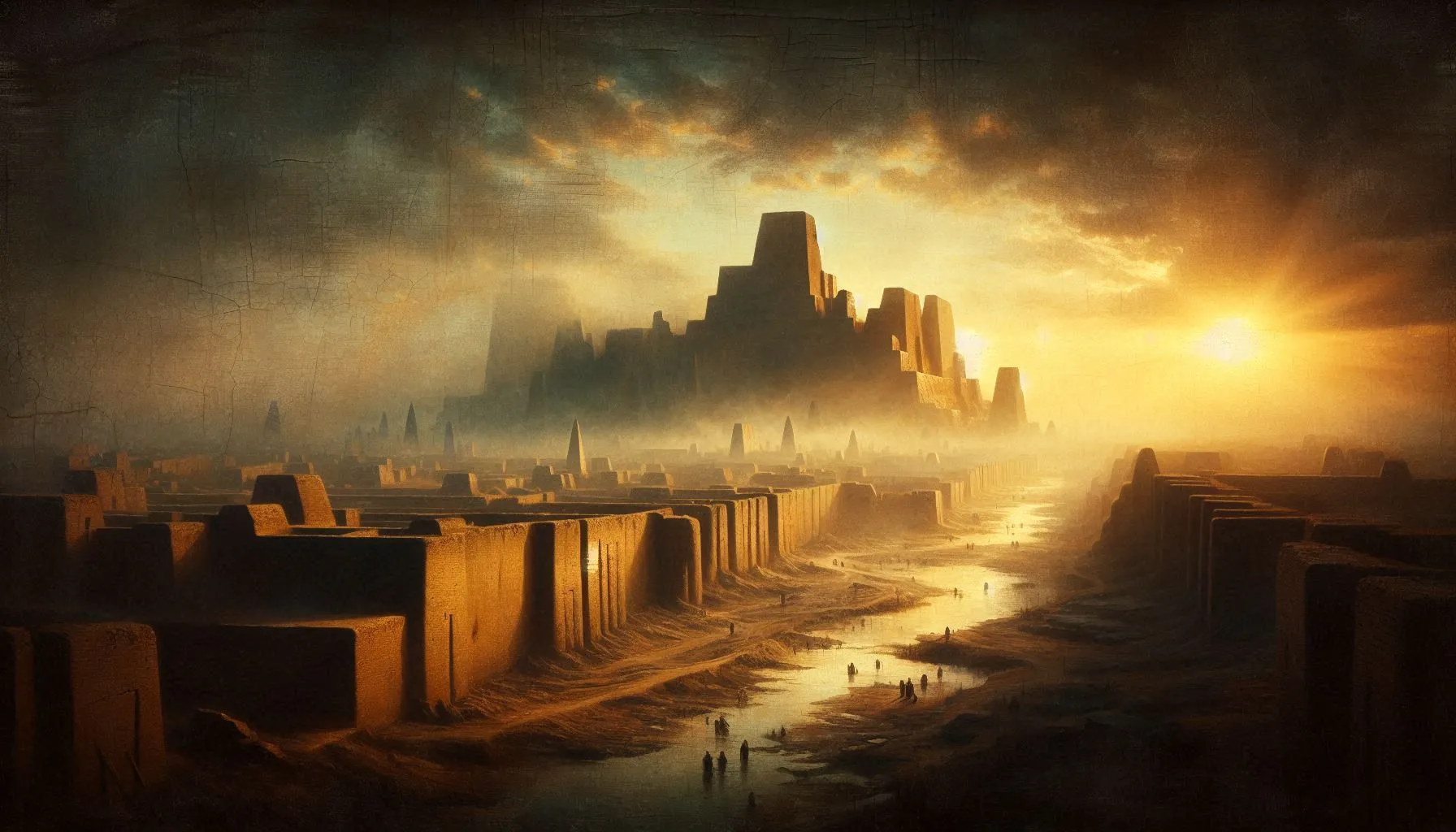
The Sumerian Civilization
” The Sumerians…advanced the development of humankind with a number of technological leaps.. they were the first city-builders, they invented wheeled transport, writing and the calendar.“
– Samuel Noah Kramer (Author of History Begins at Sumer)
The Sumerian Civilization, which flourished in the southern region of Mesopotamia (modern day Iraq) between roughly 4100 and 1750 BCE is widely regarded as the ‘cradle of civilization’.
While they began as a collection of independent city-states, their unified cultural and political influence created the foundational structures of human society.
Life in Uruk: The World’s First Metropolis (c. 4000-3100 BCE)
INTRODUCTION
As the first light of dawn touched down on the flat plains of Southern Mesopotamia, the farmers were already awake. Long before Kings ruled empires and scribes wrote on clay, it was the farmer that sustained life in the world’s first city. Around 3500 BCE, Uruk depended on agricultural labor to feed it’s growing population, support it’s temples and maintain it’s economy.
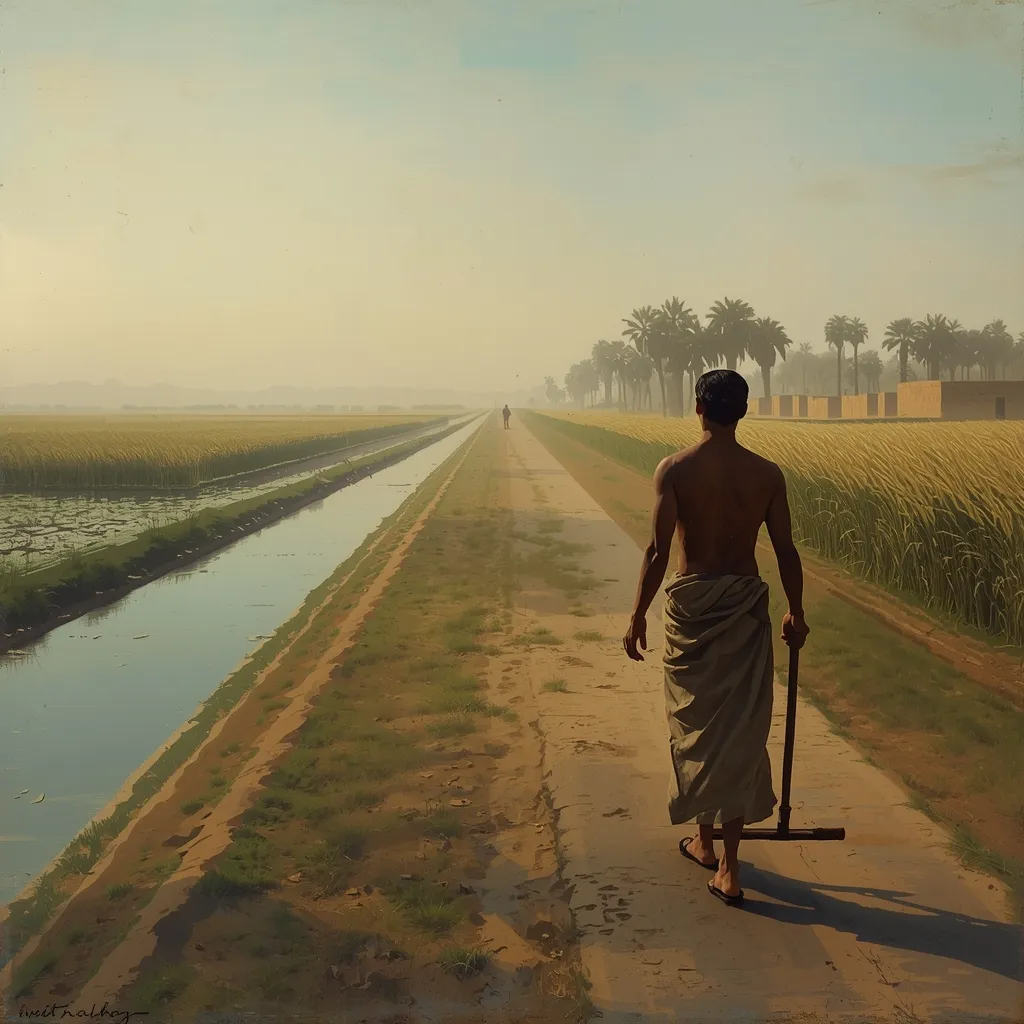
THE WALK TO THE FIELDS
The day began before sunrise. A modest breakfast of barley bread, dates and diluted beer provided the much needed hydration and calories. Animals were fed and inspected- oxen were especially valuable for plowing. Tools made of wood, stone and bone were checked- plows, sickles, baskets and ropes. Prayers to Enki, the god of water and wisdom or , Utu, the rising sun and the divine overseer of justice were whispered before taking off for the fields.
Farmland lay beyond Uruk’s residential districts, often outside city walls. The landscape was dominated by irrigation canals, dikes and levees- lifelines in an otherwise arid landscape.
These fields were not privately owned in the modern sense. Most land belonged to temples, which assigned plots and labor quotas to farming families
MORNING LABOR AND IRRIGATION: CONTROLLING LIFE ITSELF
Work began immediately. Depending on the season, fields were plowed by wooden ards pulled by oxen, barley seeds were sowed through funnel like devices and irrigation channels were weeded. Everyone worked together as the labor was communal. Overseers appointed by the temple monitored progress, ensuring quotas were met. Falling behind meant reduced rations later. The physical strain was constant and threat of crop failure loomed large.
Maintaining canals was as important as tending crops. Slits were cleared, embankments were repaired and waterflow was redirected. Too little water caused famine, too much could destroy the fields.
Water was sacred- a gift from the gods- and mismanagement was seen as both a practical and religious failure.
MIDDAY HEAT AND REST
By midday the heat was unbearable. Lunch was served under makeshift shelters or date palms and was simple- flatbreads, onions, dates and beer were consumed communally. News, rumors and temple announcements were exchanged in this rare moment of rest and socialization.
GOING BACK TO WORK- AFTERNOON TASKS
Afternoons involved lighter but essential work- guarding crops from animals, repairing tools or bundling harvested grain during peak season. The pace slowed but vigilance remained constant.
Survival depended on the success of the fields.
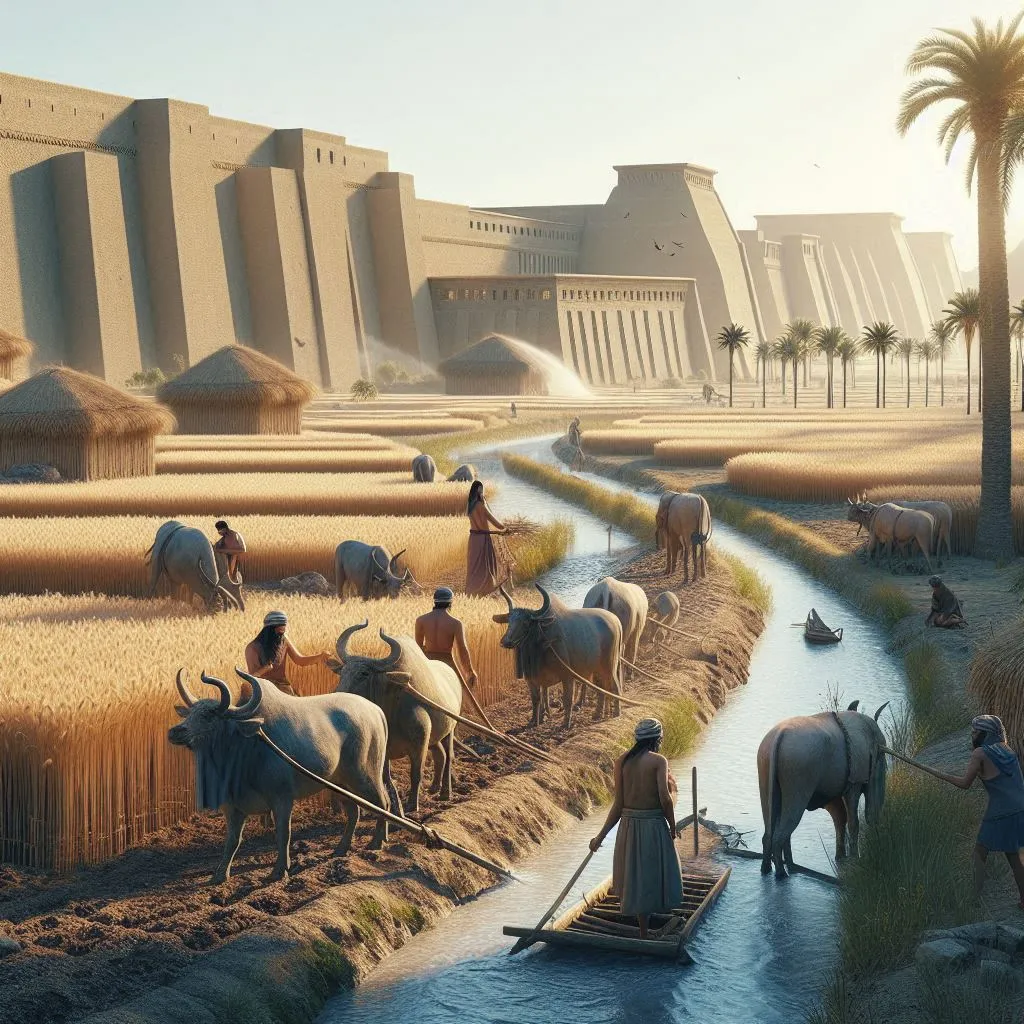
RETURNING BACK
At sunset, the baskets of produce- Grains- were delivered to the temple storehouses, where scribes measured quantities and recorded them on clay tablets.
In return, rations were received- barley, beer, oil or wool- distributed according to the labor performed.
NIGHTFALL: FAMILY AND FAITH
Evenings were spent with family. Meals were shared, stories were told and small household offerings were made to protective deities. During hot months, families slept on rooftops beneath the stars.
As darkness fell, everyone rested, knowing that the cycle would repeat with the next sunrise.
CONCLUSION
The farmer of Uruk was more than a mere laborer- they were the foundation of civilization itself. Through discipline, cooperation and faith, they sustained the world’s first city. Their daily routines shaped the economic, social and religious systems that would define human urban life for thousands of years.
BEER IN ANCIENT URUK
In Uruk, beer was not a luxury or a leisure drink- it was a staple of survival, a religious offering and a unit of economic exchange.
Beer was safer than water and more nutritious than plain grain. Made primarily from barley, it contained- Carbohydrates, Proteins and Vitamins from fermentation. For laborers working long hours under the Mesopotamian Sun, beer was liquid bread.
Barley was the most reliable crop in Southern Mesopotamia. Brewing transformed surplus grain into a storable, distributable product- ideal for feeding large urban populations.
Beer functioned as – Daily Rations for workers, Payment for labor, Offerings to Gods and Records in Early Writing. Many of the early Cuneiform tablets are beer ration lists.
Beer was sacred. It was associated with Ninkasi, the goddess of brewing, and played a central role in temple rituals, festivals and offerings.
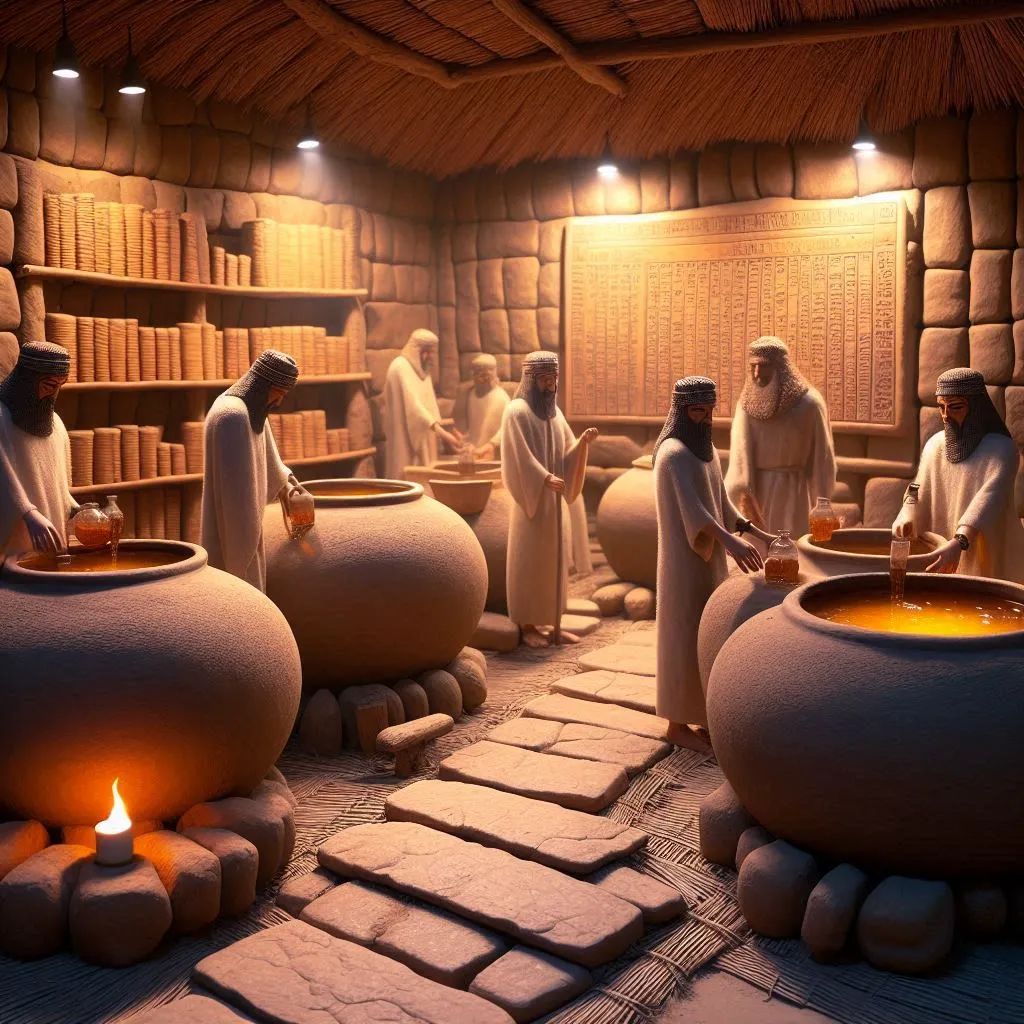
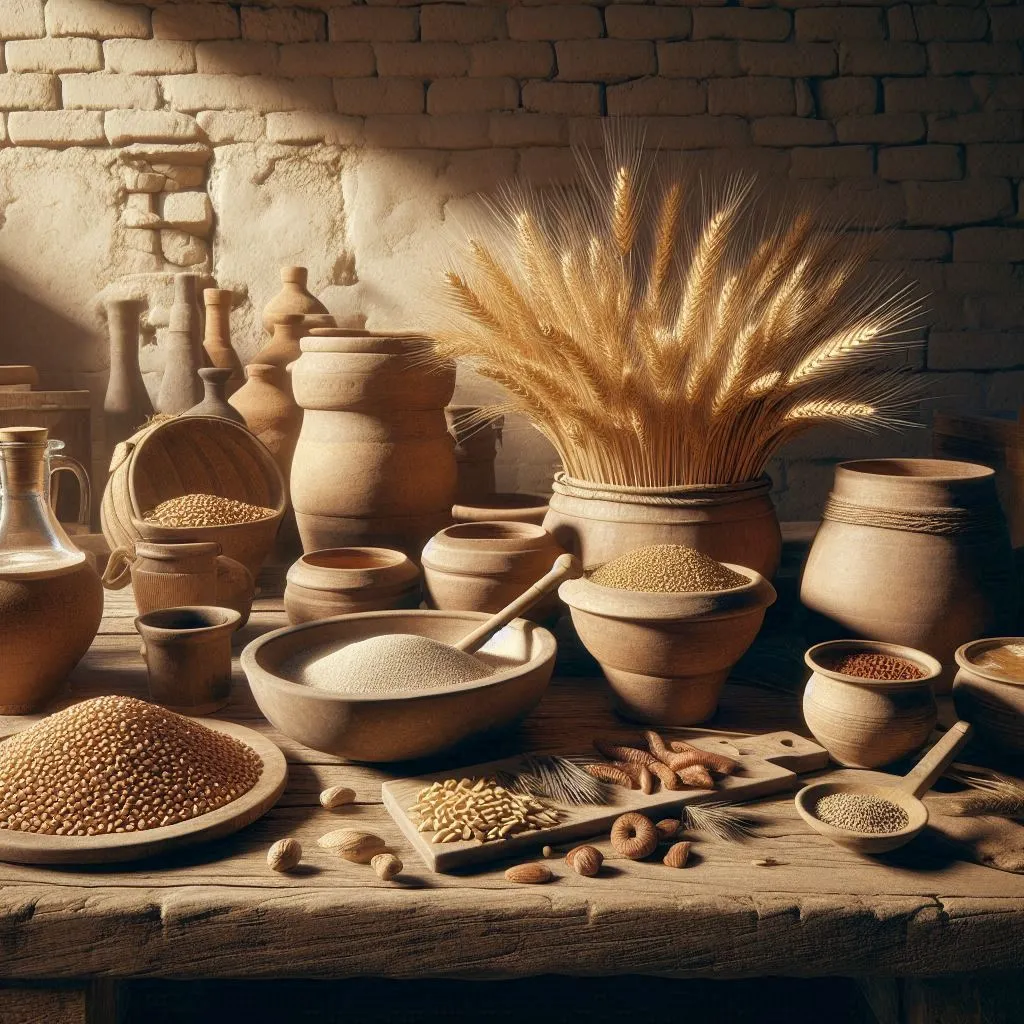
THE BREWING PROCESS
Uruk Beer was very different from modern beer.
INGREDIENTS USED IN URUK BEER
– Barley ( Primary Grain)
– Bappir ( a twice baked barley bread made specifically for brewing)
– Water
– Dates or Date Syrup ( for sweetness and fermentation aid)
WHAT WAS NOT USED
– No Hops
– No Carbonation
– No Filtation
RESULT- Thick Porridge like Beer, often consumed with straws to avoid grain sediment.
HOW THE BEER WAS MADE
STEP 1: MAKING BAPPIR
Bappir was a dry, hard bread.
– Barley Dough mixed with dates and sweeteners.
– Baked twice until rock hard.
– Stored for long periods.
This made beer production scalable and predictable.
STEP 2: CRUMBLING AND SOAKING
The Bappir was:
– Crushed into pieces.
– Soaked in Water.
– Mixed with additional malted barley.
Natural Yeasts in the air triggered fermentation.
STEP 3: FERMENTATION
The mixture was left in large ceramic jars:
– Fermented for several days.
– Stirred occasionally.
– No precise temperature control.
Each Batch varied in strength and flavor.
STEP 4: CONSUMPTION
– Drunk fresh.
– Shared communally.
– Consumed with long straws.
– Distributed in measured quantities.
Beer was brewed largely by the women especially House-hold beer production. Temple run breweries were staffed primarily with Women. Large scale brewing occurred in temples- especially in the Eanna Complex, where beer was produced for Labor Rations, Festivals and Offerings.
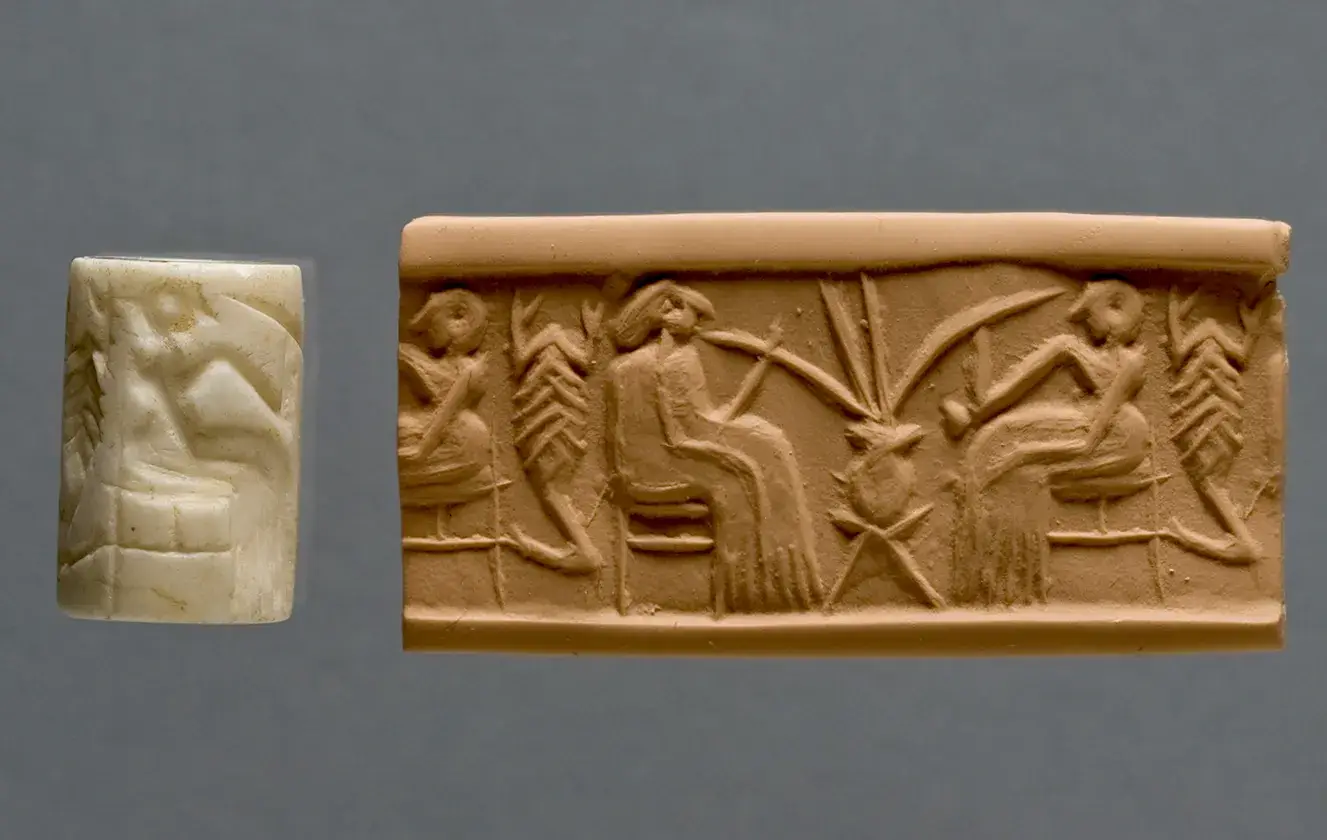
BEER AND EARLY WRITING
Some of the earliest written signs represent:
– Beer Jars.
– Ration quantities.
– Names of Brewers.
Beer accounting helped invent writing.
CULTURAL IMPORTANCE OF BEER
– Civilization over chaos.
– Agriculture over Foraging.
– Community over Isolation.
– Divine favor
To drink beer was to participate in urban life.
THE FABRIC OF URUK
The most important textile in Uruk was wool, produced by sheep that were raised around the city. Wool was durable, easy to dye and suitable for weaving on simple looms. Sheep were not just agricultural assets- they were central to the temple economy, which controlled textile production.
Most people wore coarse, while the elites had finer weaves.
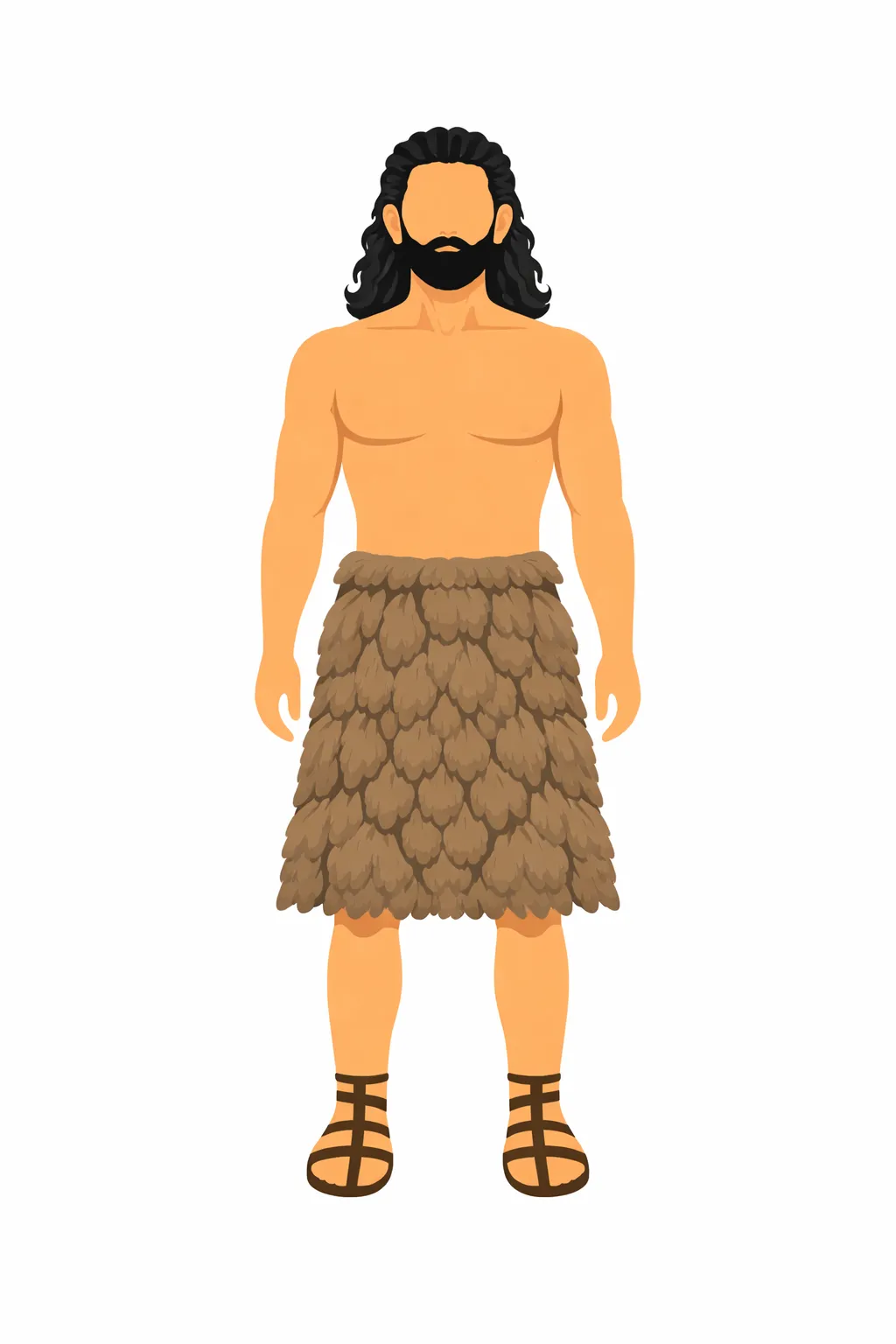
THE KAUNAKES: HEART OF URUK FASHION
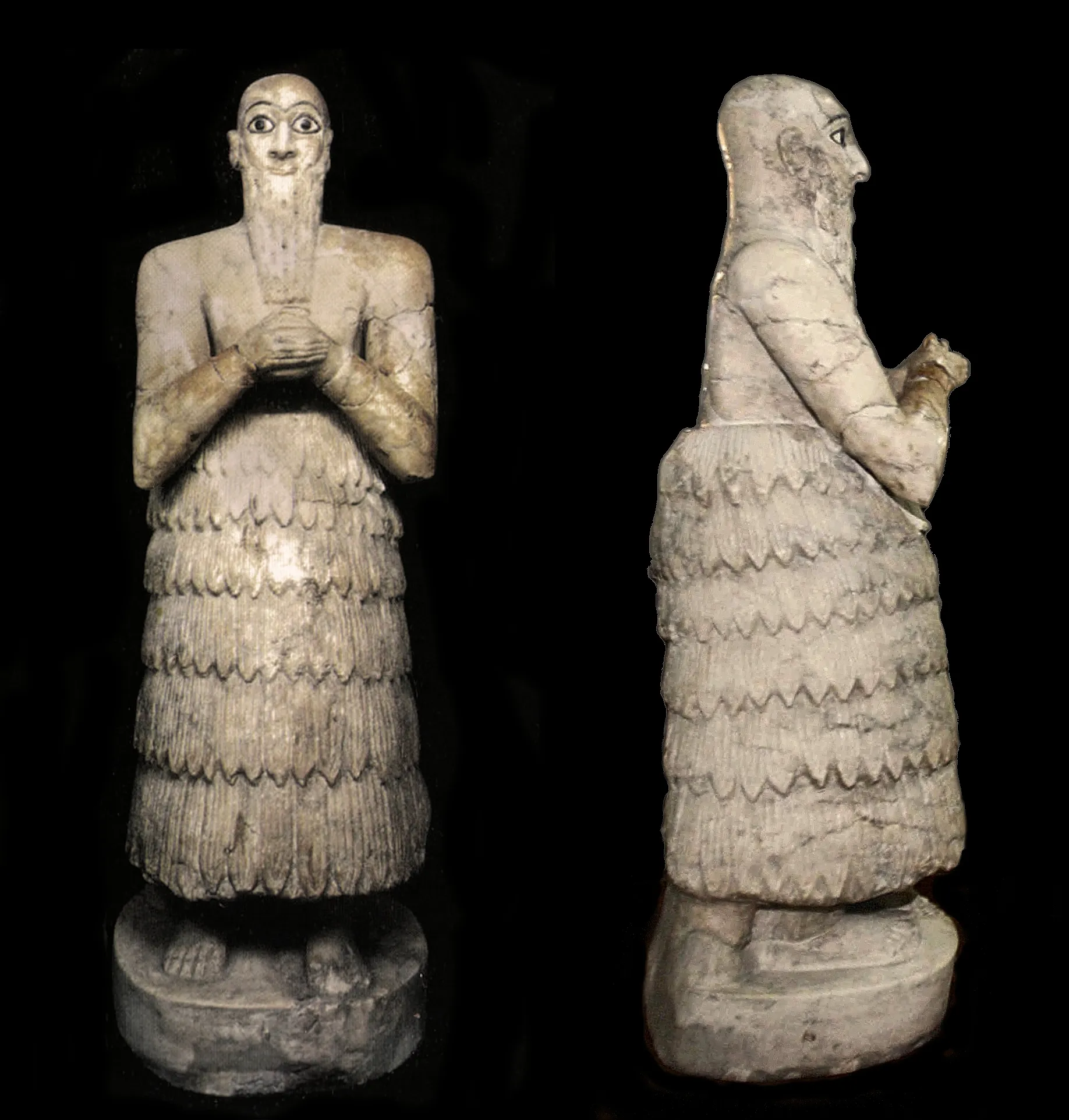
The most recognizable clothing item is the Kaunakes- a skirt or wrap made of thick, tufted wool.
Kaunakes was basically a wrapped skirt, often knee or calf length, made to resemble layered tufts or fleece.
It was worn by both men and women, however it was determined by social class.
DRESSING BY SOCIAL CLASS
FARMERS AND LABORERS
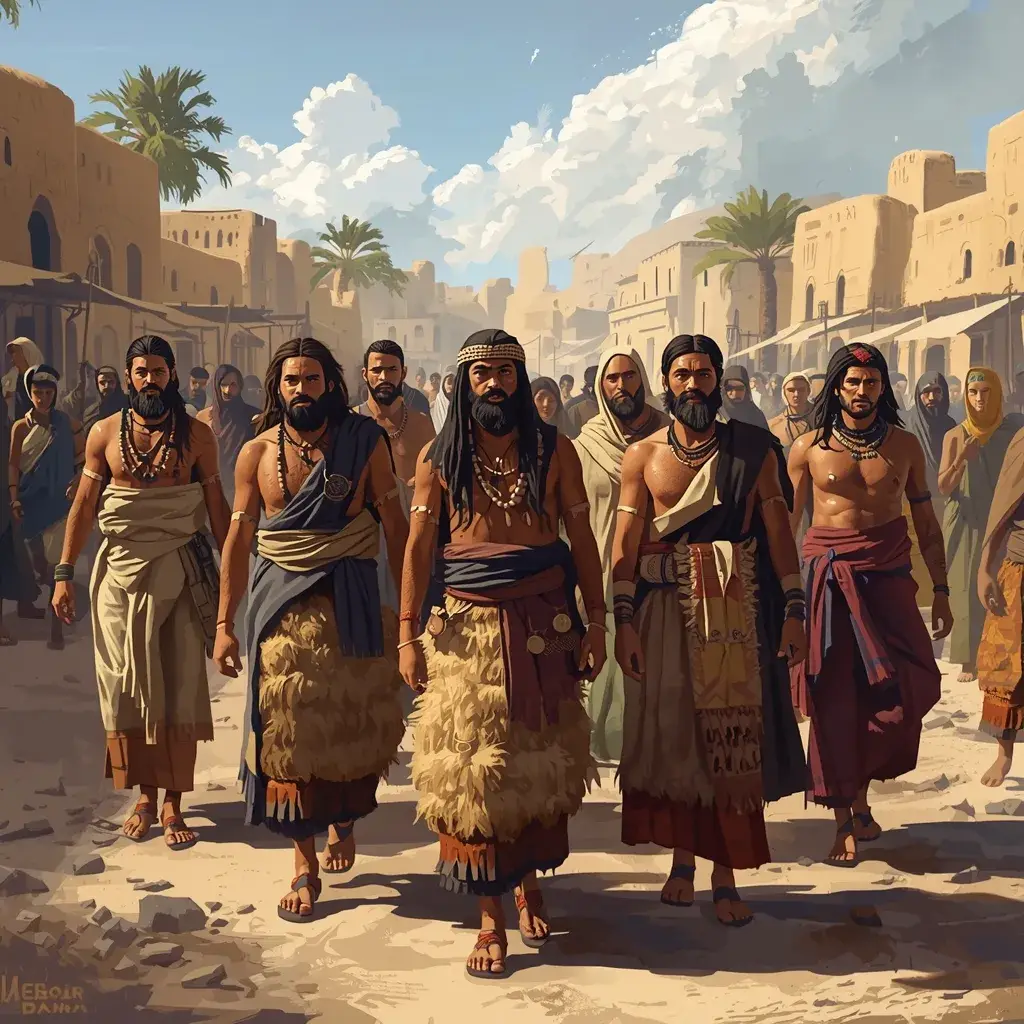
If you were a farmer, you likely wore a short Kaunakes or wrap skirt. The upper body was bare due to the heat and most importantly, clothing prioritized mobility and comfort. Footwear was rare- most people worked barefoot.
ARTISANS AND SKILLED WORKERS
Weavers, potters and builders often wore slightly longer garments, simple belt or ties and the occasional shoulder wraps for modesty or warmth.
PRIESTS AND TEMPLE OFFICALS
Temple personnel were immediately recognizable- the longer garments, the symmetrical and carefully arranged clothing and layered and fringed textile signaled ritual purity and authority rather than wealth alone.
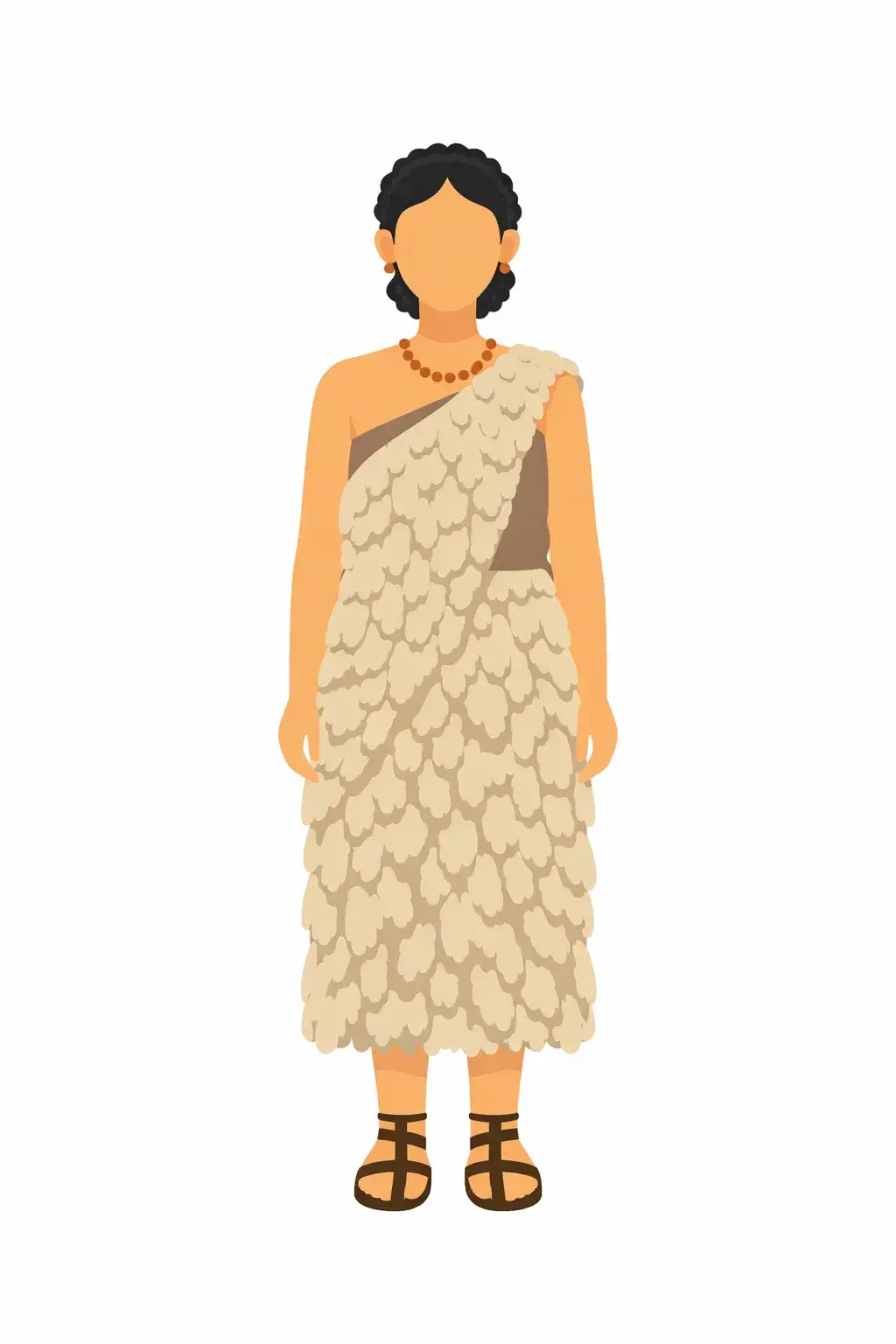
WOMEN’S CLOTHING IN URUK
Women’s clothing was similar in structure but different in presentation.
They wore longer Kaunakes with one shoulder which was often covered. The hair was typically long and carefully styled.
Women involved in temple service or textile production likely wore garments that reflected their institutionalized role.
Importantly, clothing did not heavily restrict women, suggesting active participation in daily labor and religious life.
HAIR, GROOMING AND ACCESSORIES
Fashion did not stop at clothing.
HAIR AND BEARDS
Men wore full beards which were carefully groomed. Beards symbolized maturity and status. Hair was usually shoulder length or tied back.
JEWELRY AND ADORNMENTS
Elites wore bead necklaces made of stone or shell, bracelets and simple earrings.
Common people wore little or no jewelry.
CLOTHING AS IDENTITY AND POWER
In Uruk, clothing was not a personal expression- it was a social language. It communicated:
– Your profession.
– Your relationship to the temple.
– Your place in the economic system.
Since the temple controlled textile production, clothing also reflected institutional power. What you wore depended on what the temple issued, not personal choice.
CONCLUSION
If you walked through Uruk during the Uruk period, what you would have noticed first was not the monuments- it’s what the people wore.
As someone living in Uruk, clothing was not simply about protection from the sun. It was about who you were, what work you did, which gods you served and where you stood in society. Every skirt, shawl and woven fringe carried a meaning.
Clothing in ancient Uruk, tells us this was not a primitive society- it was organized, symbolic and hierarchical.
EANNA DISTRICT: MORE THAN A TEMPLE COMPLEX
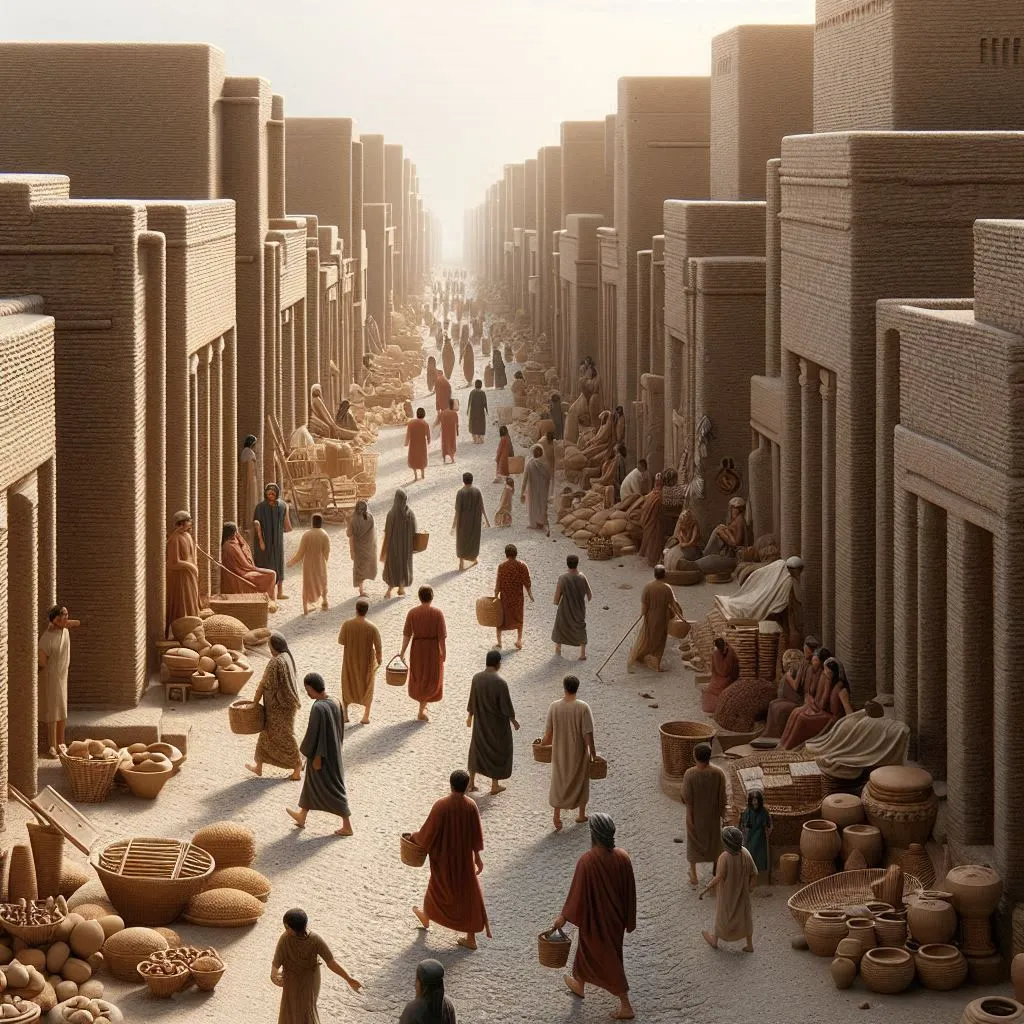
If you spent a day in the Eanna District, you would quickly realize that this was not just a sacred or an administrative center. It was the social heart of Uruk- a place where people gathered, waited, watched, talked, drank, negotiated, argued and celebrated.
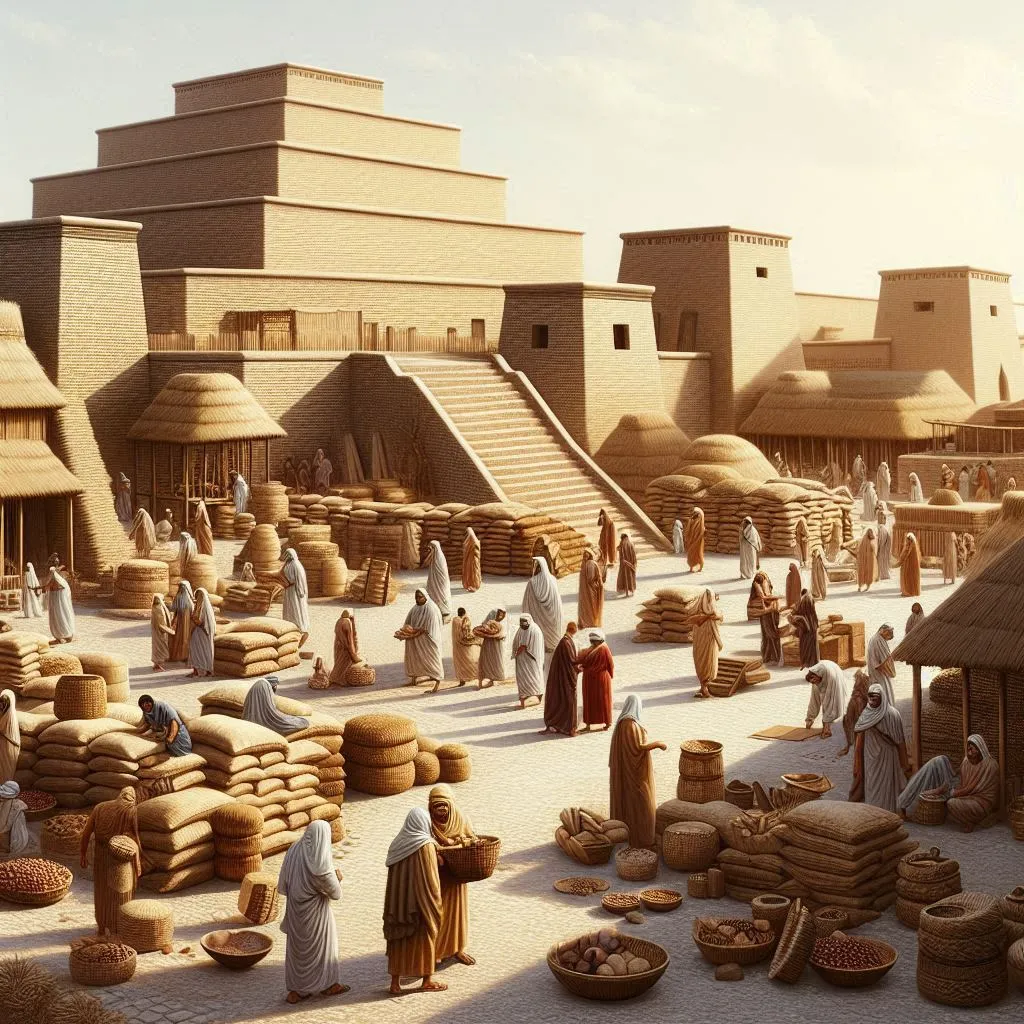
Eanna was primarily dedicated to Inanna, the goddess of fertility, war, love and political power. However, Eanna was not a single building- it was a district. Archaeology shows the district contained large courtyards, monumental temples, storage rooms, workshops and administrative places. These spaces created something new human history: shared urban space, where people regularly encountered one another outside the household.
WAITING, WATCHING AND TALKING
In a society without formal public squares, temple courtyards became special hubs.
The hubs were bustling with activity. People waited for rations or distributions and observed rituals. They also exchanged news and gossips- If you were a farmer or a laborer, visiting Eanna meant standing among others like you, talking about the harvest, water levels, temple demands and family matters.
Uruk appeared relatively fluid in public interaction. Women worked in textile production near the Eanna District, participated in rituals and were present in courtyards and festivals. Eanna was thus a mixed social space, where gender roles existed but did not completely restrict movement or participation.
CONVERSATIONS WHEN FEASTING AND DRINKING
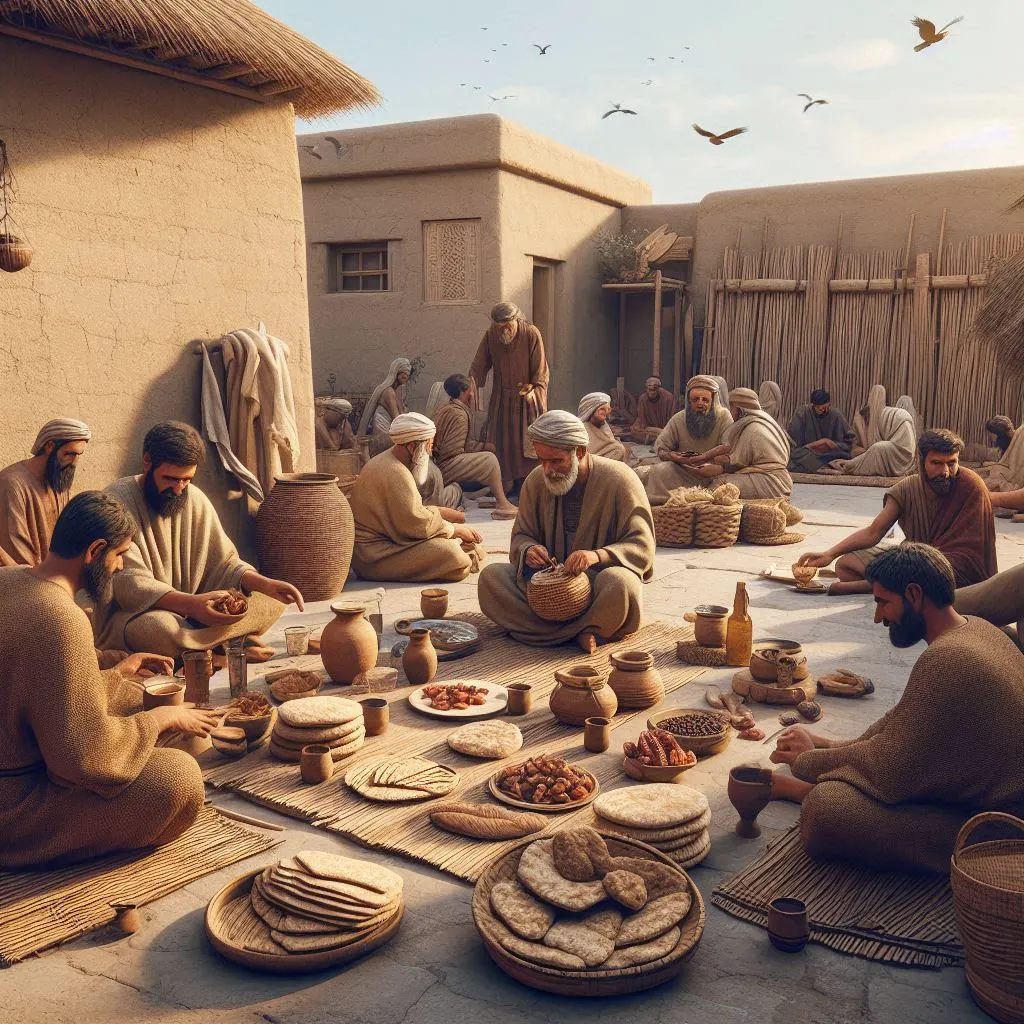
One of the most leisure-related activities was communal consumption, especially during festivals. Large scale food preparation took place where beer and bread were distributed by temples. Consumption was collective, not private. Eating together reinforced community identity, social hierarchy and loyalty to the temple.
Beer was not just nourishment- it was social glue. In and around Eanna, beer was consumed after work and shared in groups rather than drinking alone.
There were no taverns yet, but the temple effectively functioned as the center of social drinking.
FESTIVALS: LEISURE WITH A SACRED PURPOSE
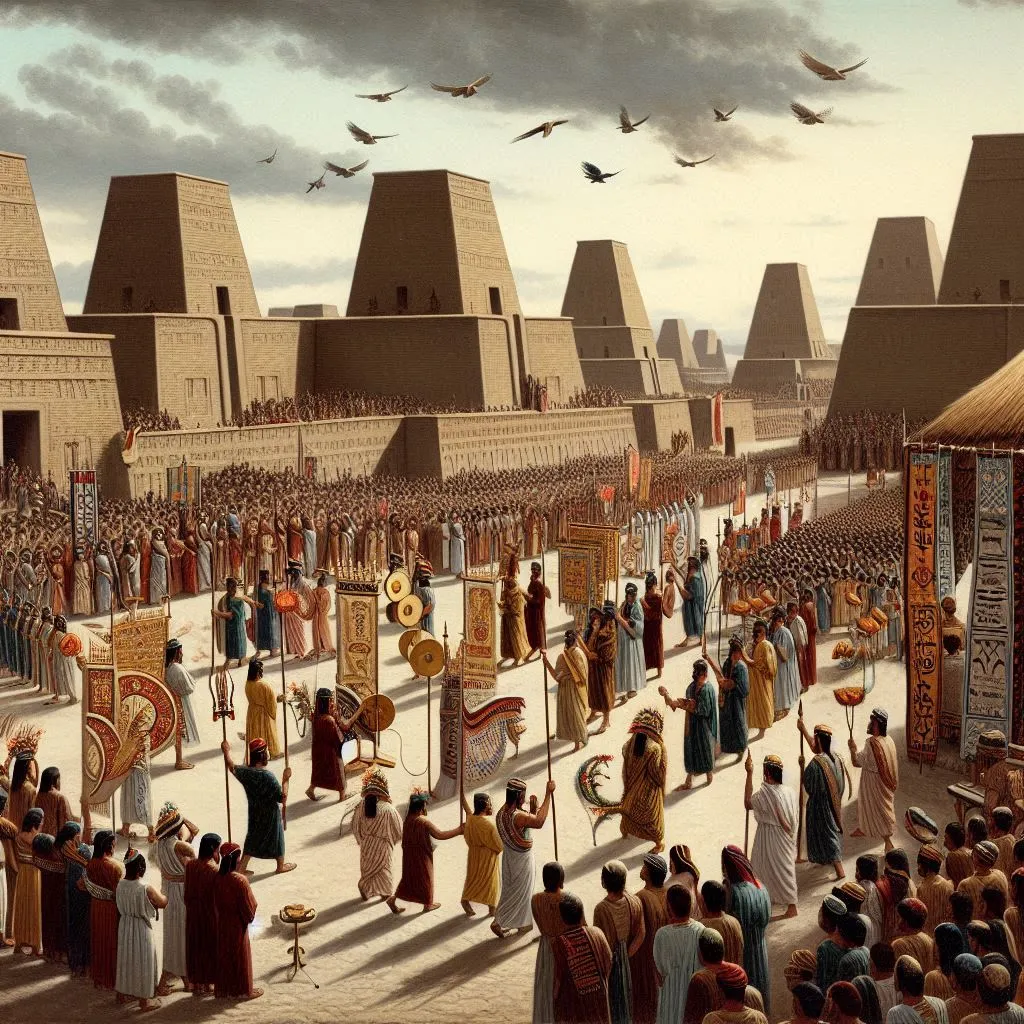
Festivals dedicated to Inanna transformed the Eanna district into a place of processions, offerings, public gatherings and heightened emotion.
For ordinary people, festivals meant a break from routine labor with increased food and drink and a collective participation in something larger than oneself.
THE EMOTIONAL LIFE OF THE CITY
There were many emotions that everyone went through in the Eanna district. People experienced joy during festivals, relief during communal meals and a sense of pride belonging to the city. Urban life created emotional intensity, and Eanna was where emotions were shared and processed collectively.
Eanna was an experiment in urban social living. Here humanity learnt, how to gather in large numbers, how to socialize beyond kinship and how leisure could reinforce belief and power.